https://neweconomics.org/2025/07/detailing-the-database The Renters’ Rights Bill presents a once in a generation opportunity to tackle England’s long-standing crisis in the private rented sector (PRS). Among its most consequential components is the introduction of a national PRS database. If ambitiously implemented, this new system could transform the enforcement landscape by driving up transparency, enabling accountability, and giving…
Work incentives aren’t working: is the Universal Credit review asking the right questions?
https://www.citizensadvice.org.uk/policy/publications/work-incentives-arent-working-is-the-universal-credit-review-asking-the/ The Universal Credit (UC) system includes elements designed to encourage claimants’ transition into employment. These range from measures ensuring people are financially better off (such as the taper rate and the work allowance) to penalising people for failing to take active steps towards work (conditionality and sanctions). These mechanisms cannot necessarily offset the systemic…
Almost 1 in 4 tenants say their deposit was unfairly withheld – but most never challenge it.
https://www.generationrent.org/2025/07/21/flaws-in-deposit-protection-cost-1-in-5-private-renters-hundreds-of-pounds-press-release/ Almost a quarter of private renters (22%) report unfair deductions from their deposit at the end of their tenancy, yet just 4% used the formal dispute resolution process to try and reclaim the money, new research from Generation Rent reveals today. Nearly a third of tenants (32%) who challenge landlord deductions get all their…
Exploring the psychological harm of national government debt collection.
https://www.moneyandmentalhealth.org/publications/nothing-personal/ This report examines how central government departments collect debt. In particular it focuses on how the Department of Work and Pensions (DWP) recoups benefits overpayments – showing its approach to be more sudden and harsh than that of consumer creditors. The research shows that 1.1 million people across the UK owe the DWP money…
Timetable of proposed benefits changes
https://www.benefitsandwork.co.uk/news/timetable-of-proposed-benefits-changes The Universal Credit Bill is now certain to become law, after being subject to some very significant amendments which removed all matters relating to personal independence payment (PIP). However, this is just the start of years of proposed welfare reforms by the Labour government. We’ve set out some of the major planned changes below. …
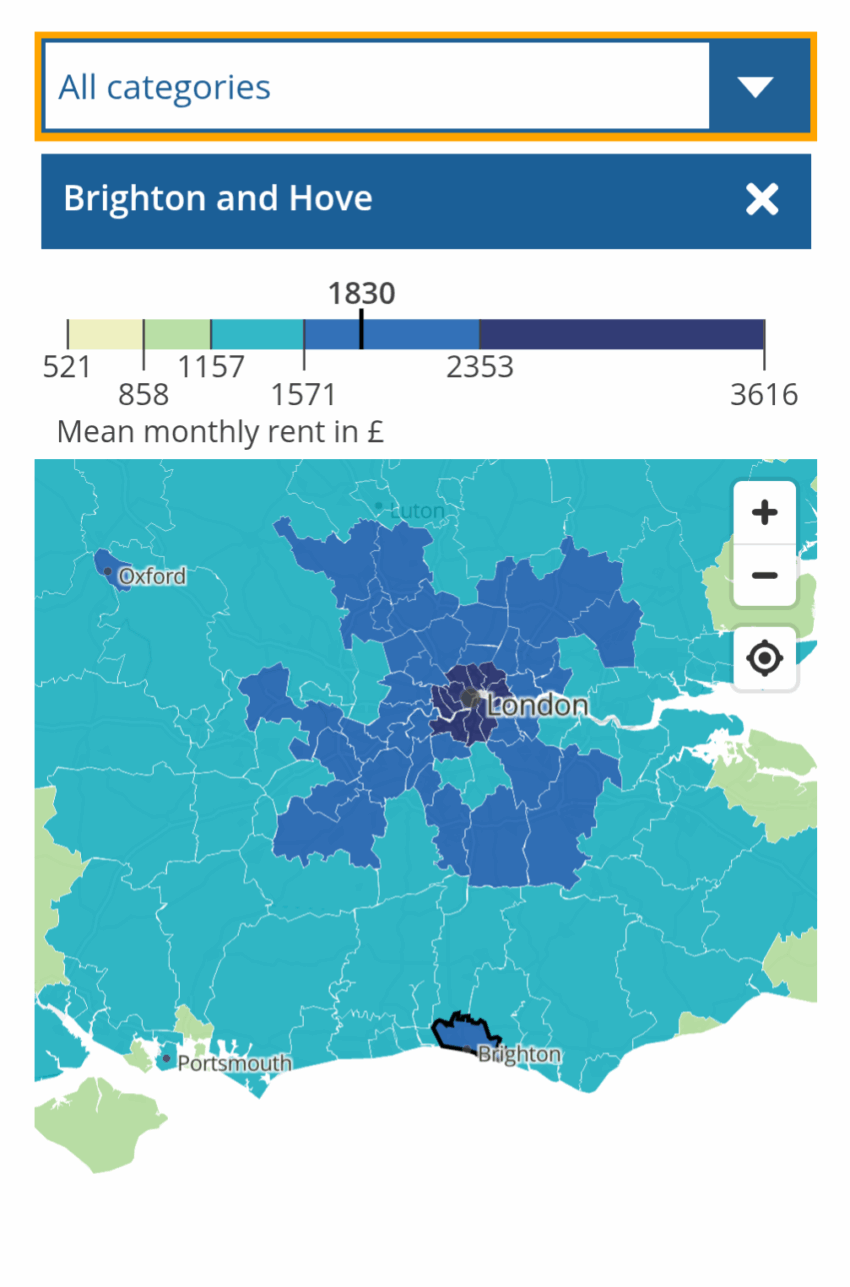
Private rent and house prices, UK: July 2025
https://www.ons.gov.uk/economy/inflationandpriceindices/bulletins/privaterentandhousepricesuk/july2025
Disabled people want to live a full life. Instead, we’re forced to scrap over our right to food and a wash
https://www.theguardian.com/commentisfree/2025/jul/15/britain-disabled-people-right-food-politics?CMP=Share_AndroidApp_Other Britain’s political and media class advocate policies that leave disabled people hungry and dirty. Why are we expected to settle for this?
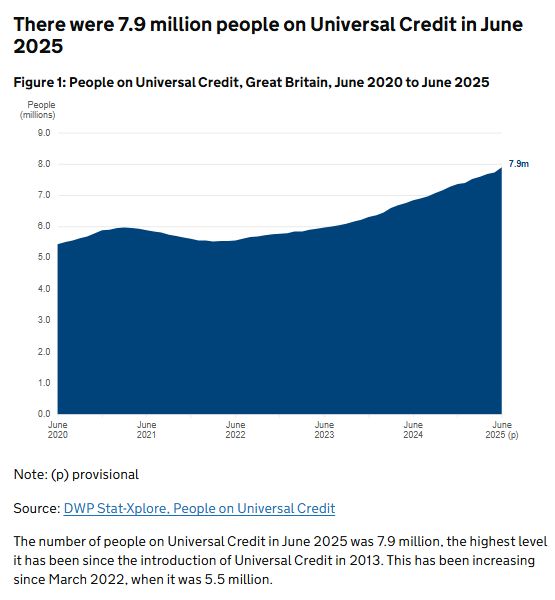
There were 7.9 million people on Universal Credit in June 2025
https://www.gov.uk/government/statistics/universal-credit-statistics-29-april-2013-to-12-june-2025
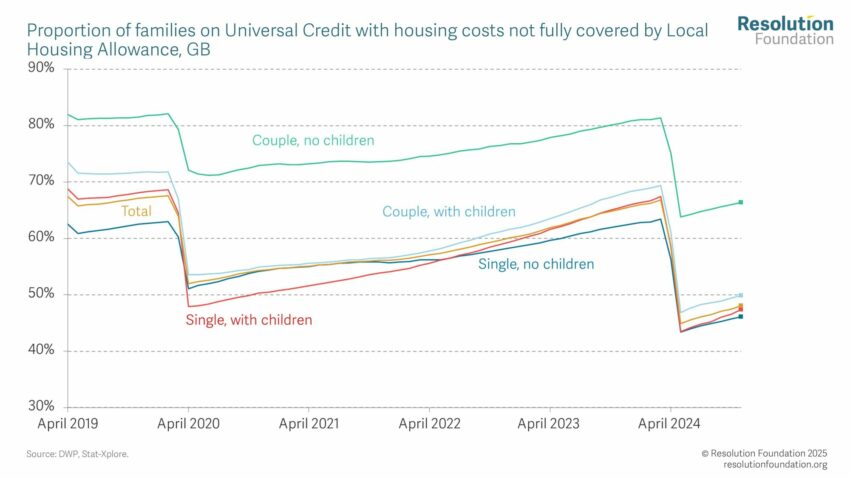
The welfare system is playing a part in driving high numbers of families into temporary accommodation.
The welfare system is playing a part in driving high numbers of families into temporary accommodation. Since 2013, private rents in Great Britain have increased by 54 per cent, but Local Housing Allowance (LHA) rates have increased by just 36 per cent. Nearly half of privately renting families on Universal Credit are facing shortfalls between…
Renting vs. Buying in 2025
https://blog.spareroom.co.uk/renting-vs-buying-in-2025/ Renters are spending more of their take-home pay than ever on rent, with three-quarters spending more than 30% – meaning that the majority qualify as being ‘rent burdened’. Over a quarter (26%) surpass this threshold, spending more than 50%. This is partly because UK average room rents have increased in the past 4 years,…