https://neweconomics.org/2025/07/detailing-the-database The Renters’ Rights Bill presents a once in a generation opportunity to tackle England’s long-standing crisis in the private rented sector (PRS). Among its most consequential components is the introduction of a national PRS database. If ambitiously implemented, this new system could transform the enforcement landscape by driving up transparency, enabling accountability, and giving…
Tag: renting UK
Almost 1 in 4 tenants say their deposit was unfairly withheld – but most never challenge it.
https://www.generationrent.org/2025/07/21/flaws-in-deposit-protection-cost-1-in-5-private-renters-hundreds-of-pounds-press-release/ Almost a quarter of private renters (22%) report unfair deductions from their deposit at the end of their tenancy, yet just 4% used the formal dispute resolution process to try and reclaim the money, new research from Generation Rent reveals today. Nearly a third of tenants (32%) who challenge landlord deductions get all their…
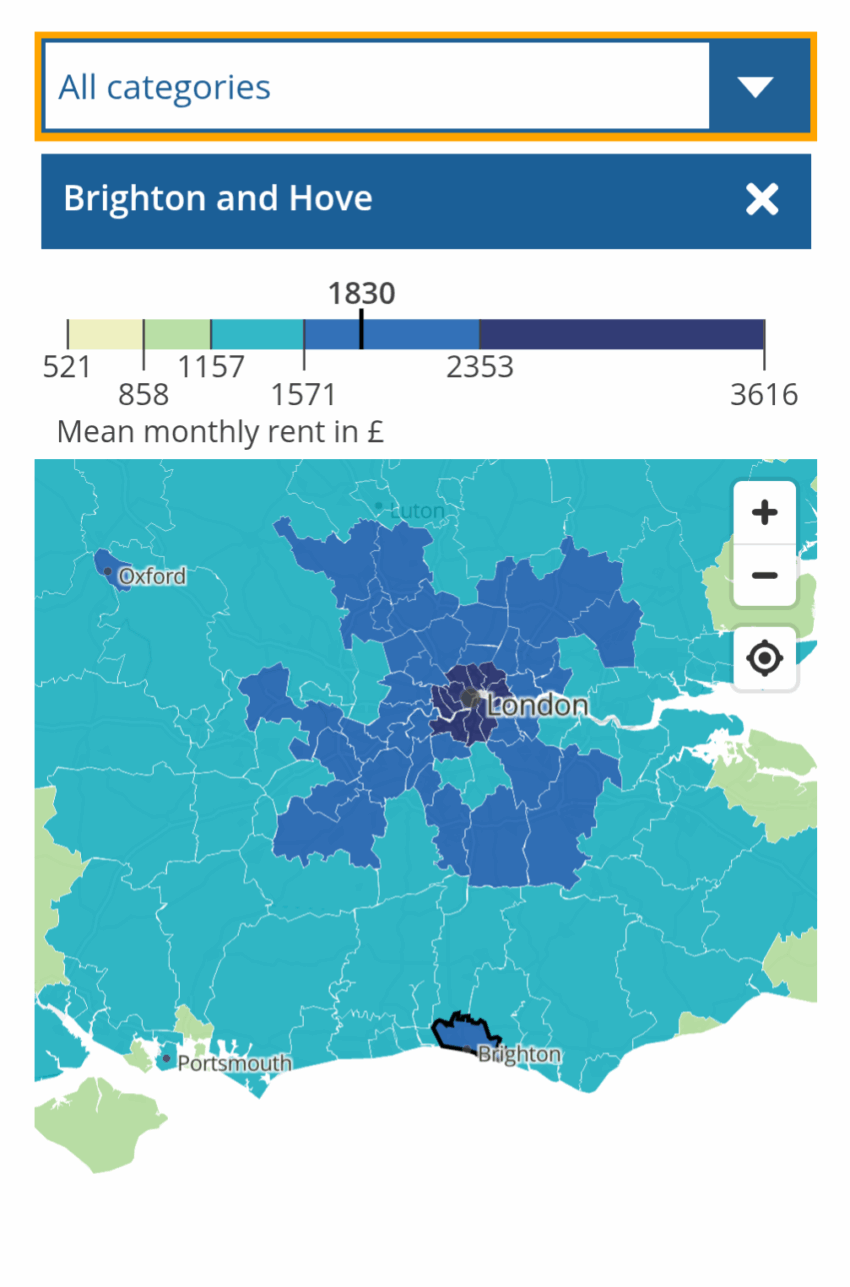
Private rent and house prices, UK: July 2025
https://www.ons.gov.uk/economy/inflationandpriceindices/bulletins/privaterentandhousepricesuk/july2025
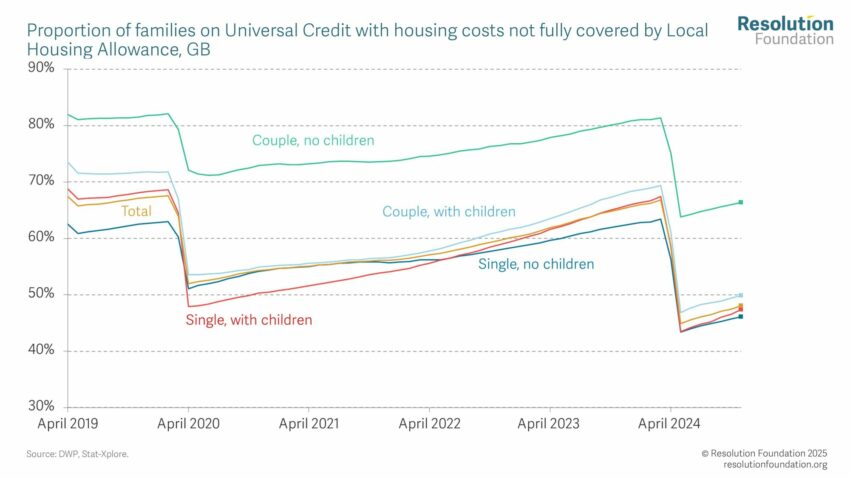
The welfare system is playing a part in driving high numbers of families into temporary accommodation.
The welfare system is playing a part in driving high numbers of families into temporary accommodation. Since 2013, private rents in Great Britain have increased by 54 per cent, but Local Housing Allowance (LHA) rates have increased by just 36 per cent. Nearly half of privately renting families on Universal Credit are facing shortfalls between…
Renting vs. Buying in 2025
https://blog.spareroom.co.uk/renting-vs-buying-in-2025/ Renters are spending more of their take-home pay than ever on rent, with three-quarters spending more than 30% – meaning that the majority qualify as being ‘rent burdened’. Over a quarter (26%) surpass this threshold, spending more than 50%. This is partly because UK average room rents have increased in the past 4 years,…
Housing Indicators
https://www.resolutionfoundation.org/major-programme/housing-indicators/ Housing is fundamental to living standards. It is most families’ largest expense, meaning disposable incomes are highly sensitive to changes in rents or mortgage payments. Our 12 housing indicators track how housing is affecting living standards in the UK. Using data from 13 separate sources, some of the indicators below describe the situation today…
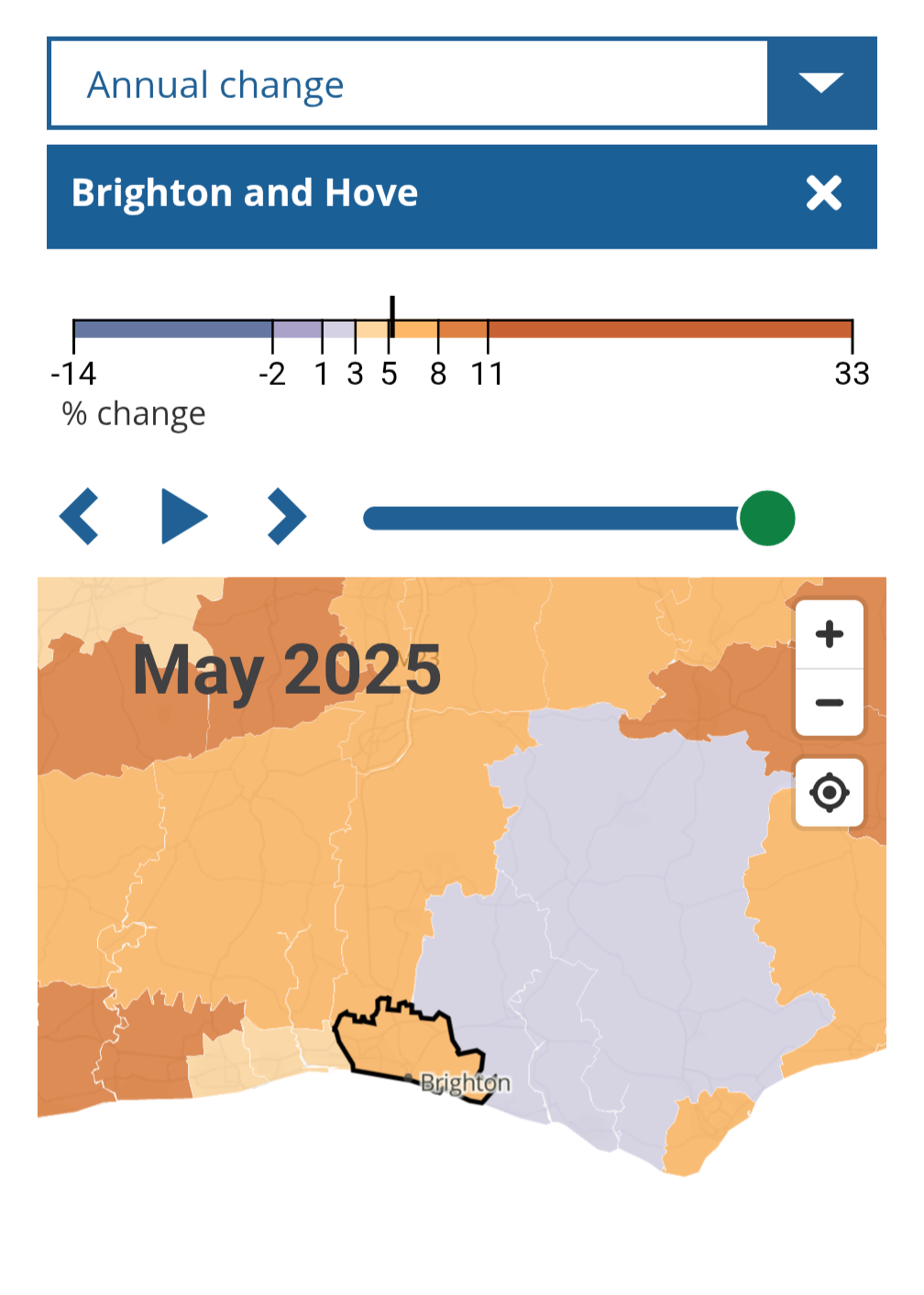
Rents continue to increase by 5% in Brighton and Hove.
https://www.ons.gov.uk/economy/inflationandpriceindices/bulletins/privaterentandhousepricesuk/june2025
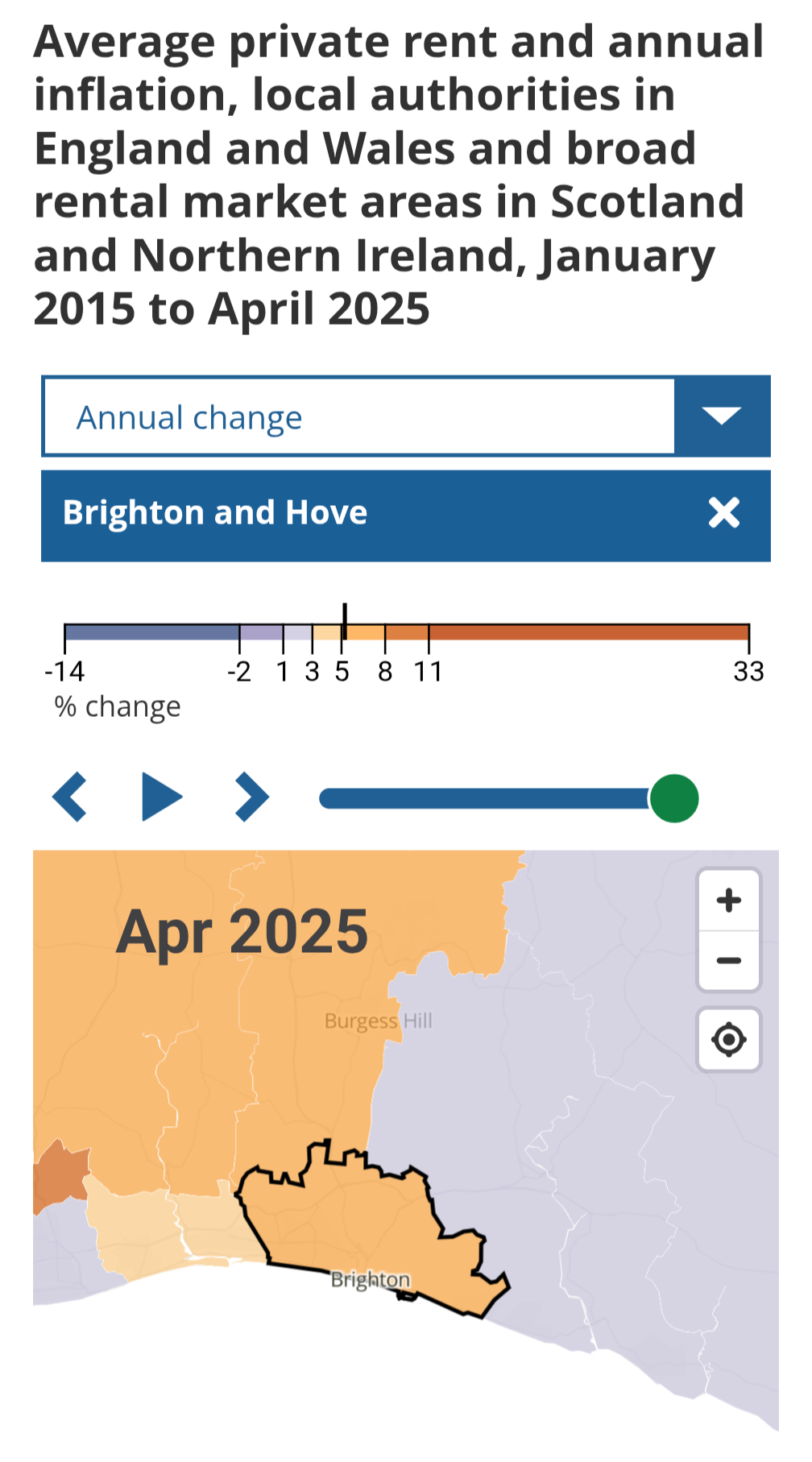
Private rent and house prices, UK: May 2025
Average UK monthly private rents increased by 7.4%, to £1,335, in the 12 months to April 2025 (provisional estimate); this annual growth rate is down from 7.7% in the 12 months to March 2025. https://www.ons.gov.uk/economy/inflationandpriceindices/bulletins/privaterentandhousepricesuk/may2025
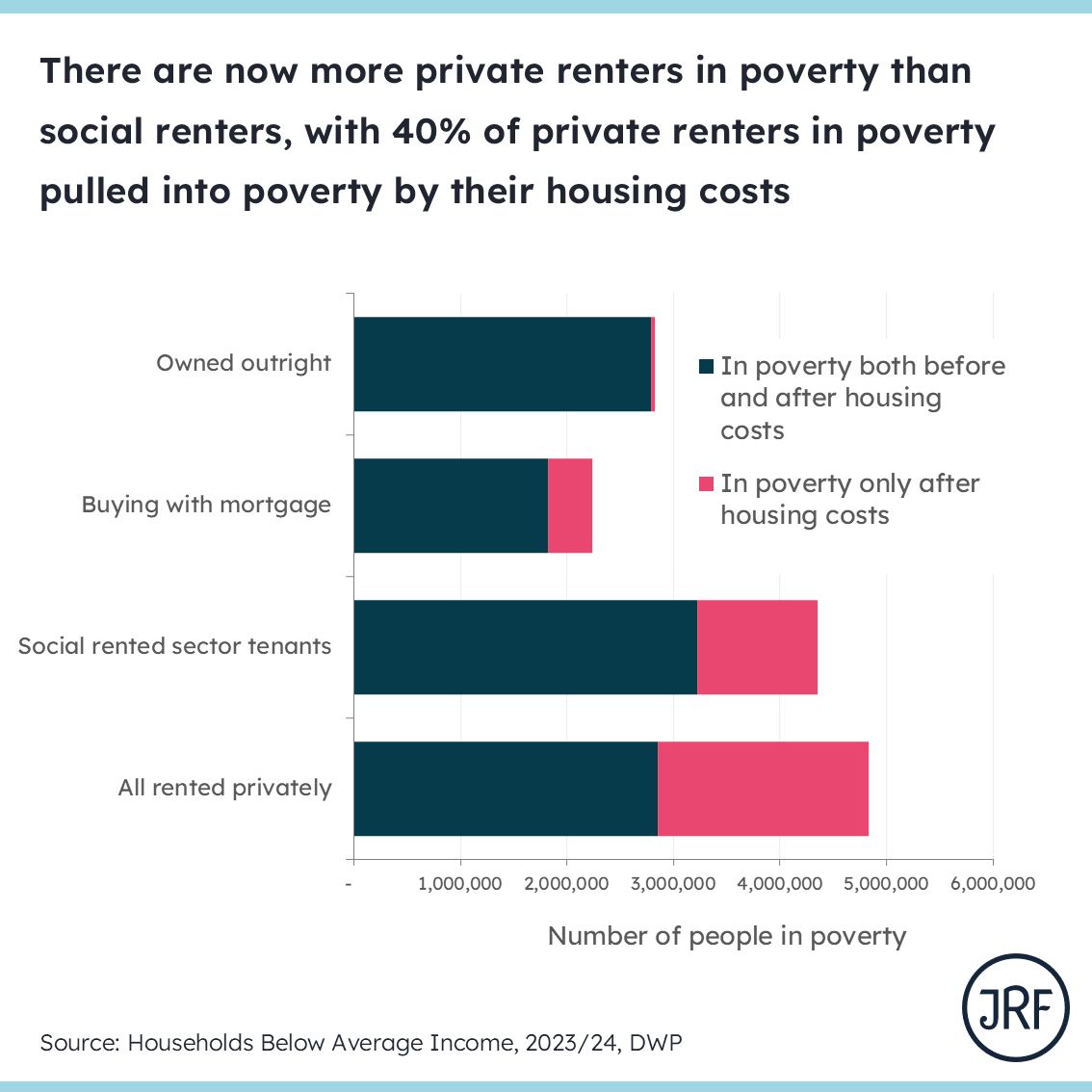
More private renters are now in poverty than social renters.
More private renters are now in poverty than social renters. 4.8 million private renters are in poverty, up almost 300,000 on the previous year. Of these, almost 2 million are only in poverty when we factor in housing costs – around 40% of those in poverty.
Private rent and house prices, UK: March 2025
EnglandAverage rent for England was £1,381 in February 2025, up 8.3% (£105) from a year earlier. This annual rise was lower than in the 12 months to January 2025 (8.8%) and below the record-high annual growth in the 12 months to November 2024 (9.2%). https://www.ons.gov.uk/economy/inflationandpriceindices/bulletins/privaterentandhousepricesuk/march2025